


Curriculum Friction in Homeschooling: When the Right Curriculum Still Feels Wrong

Some homeschool days don’t fall apart because there’s too much to do or no clear routine.
They fall apart at the table.
The lesson is open. The curriculum is “good.”But nothing is clicking.
Your child resists. You feel tense. Teaching feels harder than it should.
If this sounds familiar, you may not need a new schedule or better routines.
You may be experiencing curriculum friction.
What Is Curriculum Friction in Homeschooling?
Curriculum friction occurs when a homeschool curriculum does not align well with a child’s learning style, developmental stage, family rhythm, or a parent’s teaching capacity—creating tension, resistance, or emotional strain.
This often shows up as:
Daily battles over lessons
A constant sense of “pushing through”
A disconnect between expectations and reality
Guilt for not loving a curriculum that others praise
Curriculum friction is not a failure of effort or commitment.It is a mismatch—not a moral shortcoming.
A Familiar Homeschool Scenario
Imagine a homeschool mom—we’ll call her Rachel.
Rachel spent months researching curriculum. She read reviews, joined groups, and chose a program others loved.
On paper, it’s solid. But at the table, things unravel.
Her child drags their feet. Lessons take twice as long. Rachel feels frustrated—not just with the work, but with herself.
She wonders: “Why does this feel so hard?”“Is it me?”“Am I doing something wrong?”
Rachel isn’t failing.
She’s experiencing friction between the curriculum and the people using it.
Why Curriculum Friction Is So Common
Research in education consistently shows that children learn best when instruction aligns with:
Developmental readiness
Cognitive strengths
Emotional regulation capacity
At the same time, studies on teacher burnout reveal that instructional strain increases when educators feel pressured to deliver content that doesn’t fit their students—or themselves.
In homeschooling, parents are both:
The curriculum implementer
The emotional support system
When a curriculum requires constant adaptation, explanation, or enforcement, the emotional cost rises quickly.
Curriculum friction is not rare—it is expected when tools are treated as rules instead of resources.
Signs You May Be Experiencing Curriculum Friction
You may be dealing with curriculum friction if:
Lessons regularly end in tears or frustration
Your child understands the material but resists the format
Teaching feels emotionally draining, not just tiring
You dread certain subjects—not because they’re hard, but because of how they go
You feel guilty for wanting to quit a “good” curriculum
You keep thinking, “This should be working.”
Quick diagnostic:If the curriculum consistently creates tension rather than traction, friction may be the issue.

Why Moms Often Push Through Curriculum Friction
Many homeschool moms continue using a curriculum long past the point of effectiveness because of:
Financial investment
Fear of inconsistency
Concern about gaps
Comparison with other homeschoolers
The belief that struggle equals rigor
But struggle is only productive when it leads to growth—not discouragement.
Curriculum is meant to serve learning, not test endurance.
A Biblical Perspective on Tools and Trust
Scripture reminds us that wisdom involves discernment—not rigidity.
God provides tools, but He also provides freedom:
Freedom to adjust
Freedom to let go
Freedom to respond to real people in real seasons
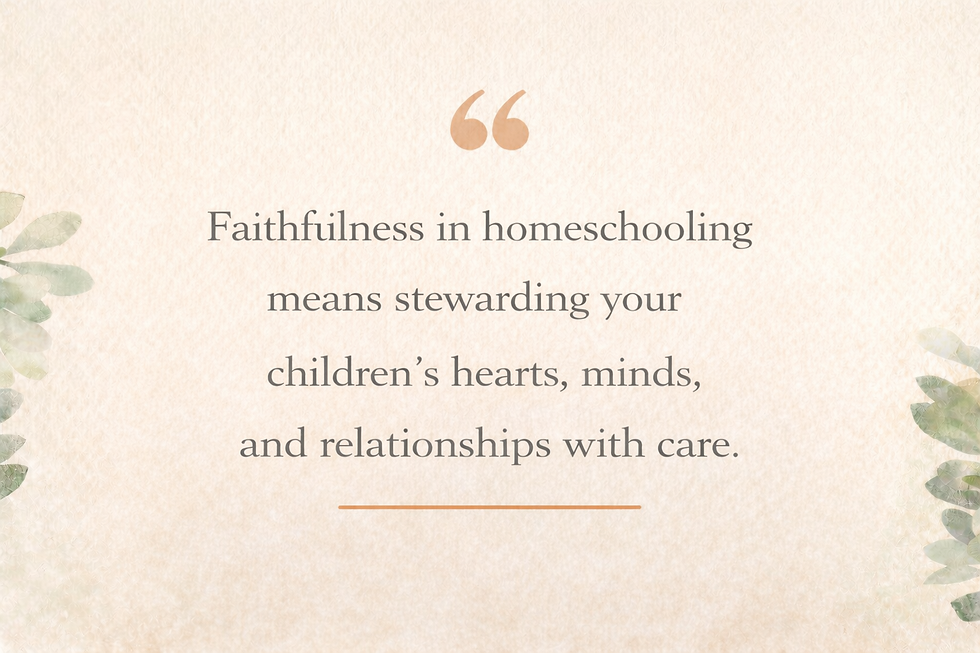
Faithfulness in homeschooling does not mean finishing every lesson as written. It means stewarding your children’s hearts, minds, and relationships with care.
Prayer and time in God’s Word help us ask better questions:
Is this producing fruit—or frustration?
Am I trusting the tool more than the Lord?
What does wisdom look like for this child right now?
Letting go of a curriculum is not giving up—it’s choosing discernment.
Practical Step 1: Identify Where the Friction Is Coming From
Before replacing anything, clarify the problem.
Ask:
Is the issue pacing?
Is it the teaching method?
Is it developmental readiness?
Is it my own capacity right now?
Pay attention to patterns:
Which subjects consistently cause stress?
When does resistance increase?
Where do emotions escalate?
Curriculum friction is often specific—not global.
Practical Step 2: Loosen the Grip Before Making a Change
Sometimes relief comes not from replacing curriculum, but from changing how tightly it’s held.
Try:
Reducing lesson length
Teaching orally instead of in writing
Skipping busywork
Slowing the pace
Using the curriculum as a guide instead of a script
Curriculum is a tool. Tools work best when held with flexibility.
When It Is Time to Make a Change
If friction persists even after adjustment, it may be time to:
Pause a subject
Supplement differently
Switch approaches
Reevaluate expectations
Changing curriculum is not a setback.
It’s a response to real information—your lived experience.
Not Sure If Curriculum Friction Is the Root Issue?
Curriculum friction is one of several common causes of homeschool stress. Others include:
Schedule overload
Unclear routines
Mom burnout
Competing priorities
If teaching feels harder than it should—even with a solid plan—curriculum friction may be at play.
To help homeschool moms gain clarity, I created a short assessment designed to identify what’s actually causing the tension and what kind of support will help most.
👉 Take the quiz: What’s Actually Causing the Chaos in Your Homeschool?
Your results will guide you to resources—including blog posts like this one—tailored to your specific season.
Encouragement for the Homeschool Mom Reading This
You are not failing because something isn’t working.
You are learning.
Curriculum is not a measure of your commitment or competence. It is simply a tool—meant to be adjusted, replaced, or released as needed.
As you pray and reflect, ask:
What supports peace in our home?
What helps my child engage with confidence?
What allows me to teach with patience?
Faithfulness often looks like paying attention and responding wisely.
And that is exactly what you are doing.
This article is written for homeschool moms seeking clarity, confidence, and faith-centered guidance when curriculum choices create stress, resistance, or emotional friction.


Comments